









Feng Shui might sound like a super crazy, intellectual, mysterious concept… because it is! Feng Shui is an ancient Chinese practice that promotes and emphasizes harmony and balance in spaces through the deliberate placement of objects that allow energy to flow freely. When a space has a lot of feng shui, you don’t really notice it at first, but you can always feel it. People will flow through the space without disruption, and conversation will flow easily because of the easy-going and smooth environment. When there is a lack of feng shui, you can feel that too. Things will feel awkward, cramped, and just stressful enough for you to notice and identify it, but you won’t know why.
It is basically like evaluating a space for vibes. Good feng shui shouldn’t feel forced or staged; it should feel intentional, with everything in the best position for energy to flow through. With these ideas in mind, Celia Struve-Auletta and Marlie Conway explored the green brick walls of Stuart as appreciators of this art. We got a sense of how well the school’s layout supports the natural flow of feng shui. As we walked, we made note of how people moved, where they gathered, and where things felt less open and more cramped. Nothing was unnoticed, even the tiniest of details, like how a couch was angled or how a walkway opened up. At Stuart, with all of its twists and turns and hidden corners, gave us plenty to talk about.
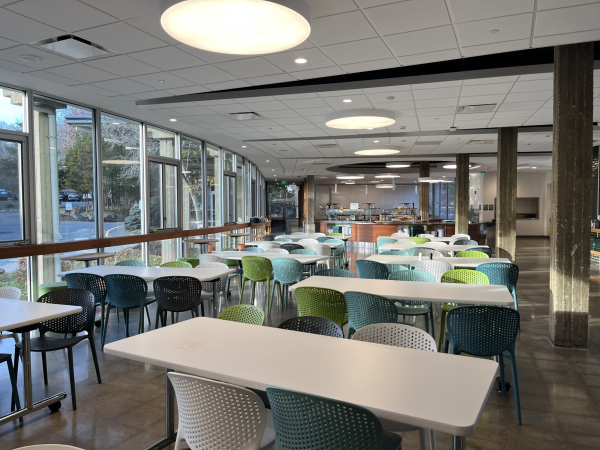
Starting in the Student Center, the placement of the seating area demonstrates impressive feng shui. The chairs and tables are placed in a designated area but are not crowded, allowing for easy paths in and out while still filling out the area and creating a lively lunch scene.
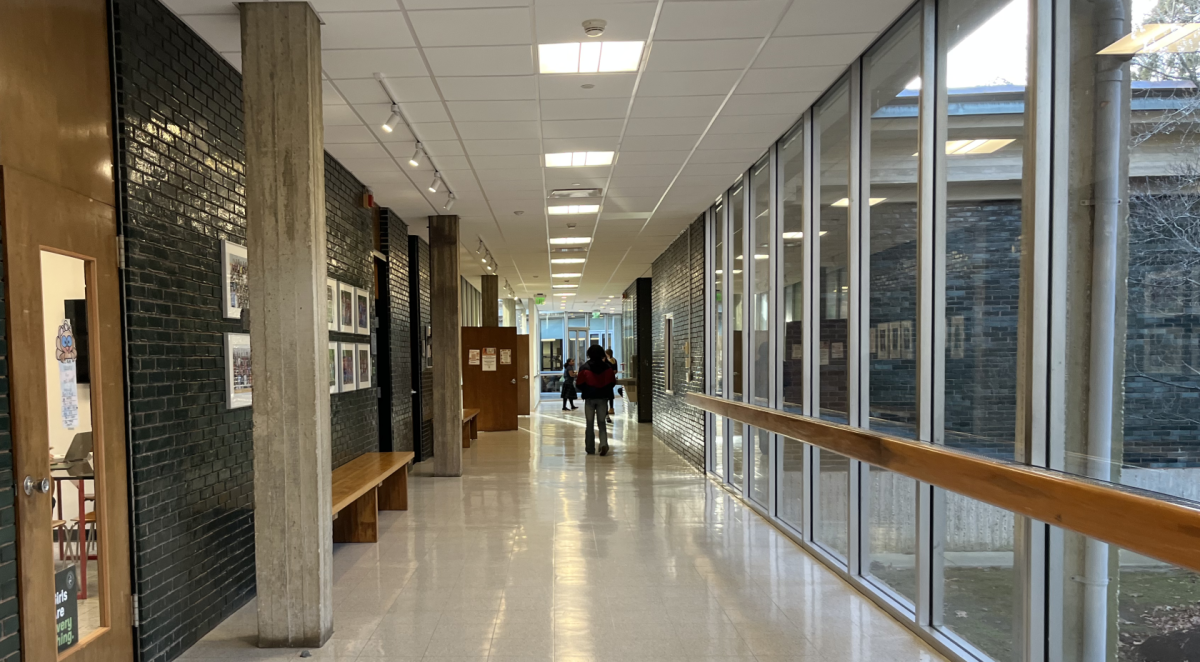
Branching from the Student Center is the main hallway that stretches all the way to the Art Wing. The placement of benches along the walls of the hall improve the feng shui, allowing for different flows of traffic that stop and start to move seamlessly beside each other. As is typical for the main hallway, we ran into two fellow peers and engaged in conversation, sophomore Zoe McDonald sharing how the hallway’s open atmosphere “calms [her] soul”.
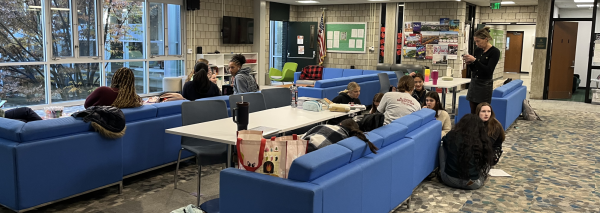
However, the flow of motion through the school is not fully perfected, the feng shui of the Upper School Resource Center causing debate. Within this area, there are dedicated spaces to each Upper School class year. Behind the freshman section are rows of lockers, hiding away the private senior section of couches. Many note the placement of furniture to inspire unity within grades while still connecting them to the greater network of the Upper School. However, others feel that the space can often feel too crowded, and that the division of couches and tables between grades doesn’t often take into account the number of students allotted to that space, causing some areas to feel abandoned, and others cramped. Juniors Abigail Mckee and Lauren Lee feel that even though the furniture has the potential for a higher feng shui pending rearrangement, the student body isn’t academically or socially hindered by space’s current state. Additionally, every year, the USRC changes its placement of couches and tables, opening the possibility to improved energy flow based on the experience of the previous year.
The importance of a balanced flow of energy offers high daily benefits but often goes unconsidered. So, how can you improve the feng shui of your own home? We have compiled our knowledge into these simple, cost free suggestions: Create spaces to store and organize clutter, make sure all entryways within your home are clear, and place beds and desks in view of the room’s door. These are all proven methods to create a peaceful, harmonious flow between the objects and structure of the home, enhancing feelings of security, tranquility, and focus. Though, these are only the basics, and creating an energy flow is a process. We only encourage that feng shui be evaluated in as many spaces as possible because small moments of peace are what keep the world turning.